
HIPAA Security Rule Compliance: Where Does Your Practice Stand?
The HIPAA rule is stalled. The breaches aren't. Here's what that means for your practice.
Office of Civil Rights (OCR) is actively auditing healthcare organizations under the current HIPAA Security Rule, not a future one. Attackers aren't waiting for regulatory clarity either. And when the proposed rule does finalize, the compliance clock starts immediately. The organizations that are ready will execute. The ones that waited will scramble through a 240-day window that was never designed for a standing start.
A 30-minute conversation gives you a direct, honest read on your specific situation from people who have seen it before and know exactly what to do about it.
Schedule a Readiness Conversation
.png?width=1876&height=313&name=252%20(1).png)
What's Actually Happening
Healthcare has become the most targeted industry in the country. The Change Healthcare breach exposed 190 million Americans through a single internal portal without multi-factor authentication. The average breach now costs $7.42 million — and that does not include OCR corrective action plans, litigation, or lost payer contracts.
OCR is not waiting for the proposed rule to finalize. Its Director confirmed in 2026 that enforcement is expanding now, under the rule that already exists. When the proposed update does finalize, organizations will have 240 days to comply. For an organization starting from zero, that window goes fast.
Read the blog to see what is changing and what your organization should be doing now.
The 5 Controls OCR is Looking For
Whether the proposed rule finalizes in its current form or not, these five controls represent what OCR is actively enforcing and where attackers are actively exploiting. If your organization has gaps here, they need to be closed, not because a rule says so, but because the consequences of leaving them open are documented, costly, and, in many cases, irreversible.
Encryption
Protected health information must be encrypted everywhere it lives and moves, at rest and in transit. Most organizations encrypt in transit but miss encryption at rest: backups, legacy systems, removable media. 100% of hacked health data in recent major breaches was unencrypted at the point of access.
Multi-Factor Authentication
MFA is required for every system that accesses ePHI, not just remote portals, not just VPN. Internal systems. EHR logins. Clinical applications. Administrative tools. The Change Healthcare breach entered through an internal portal that lacked MFA. The proposed rule closes that gap explicitly.
Vulnerability Scanning
Automated vulnerability scans must run at minimum every six months across all systems with ePHI access. Not ad hoc. Not annually. Twice a year, documented, acted on. 99% of hospitals are currently managing devices with known, exploited vulnerabilities.
Penetration Testing
Annual penetration testing by a qualified third party. A verified attempt to breach your environment using real attacker methods. Most organizations have never done this. The ones that have consistently find gaps their internal teams didn't know existed.
72-Hour System Restoration
The ability to restore critical systems within 72 hours of a data loss event, tested and verified, not documented as intent. Most organizations have a disaster recovery plan. Few have actually tested whether it works. The proposed rule requires demonstrated capability, not documented intention.

Whitepaper: Understand exactly where you stand.
The 2026 updates represent the most significant overhaul to the HIPAA Security Rule in years, with new expectations around encryption, multi-factor authentication, vulnerability scanning, penetration testing, incident response, system restoration, and business associate oversight.
This white paper breaks down the proposed changes, explains the operational impact for covered entities and business associates, and provides a practical readiness framework to help your organization identify gaps, prioritize remediation, and build a stronger security posture before compliance timelines begin.

Quick Reference

BLOG: What OCR is actually enforcing right now
The HIPAA Security Rule Is Getting Its Biggest Overhaul Since 2013 covers every proposed change in plain language — what's changing, why it matters for healthcare organizations specifically, and what OCR is already doing about it under the current rule.
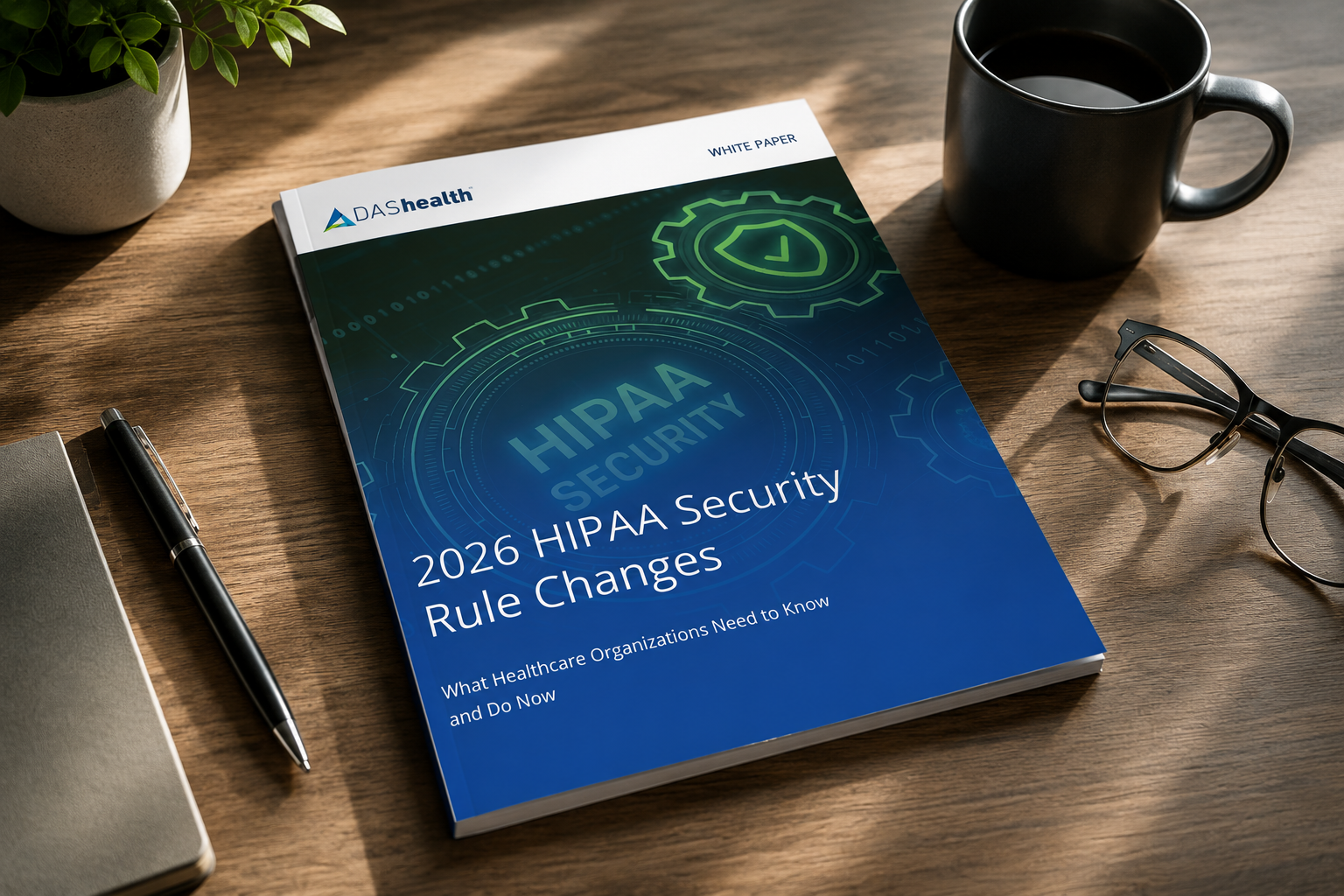
WHITEPAPER: HIPAA Rule Change
This whitepaper breaks down what’s changing and why it matters, from mandatory encryption and expanded MFA to new expectations around monitoring and recovery. You’ll also gain a clear framework to assess your current state, identify gaps, and take the next steps toward a stronger, more resilient security posture.

ASSESSMENT: HIPAA Readiness
Five minutes to understand where you stand on compliance. This assessment covers the five control areas OCR is actively enforcing—data protection, access management, threat detection, incident response, and vendor accountability. Get an honest picture of your readiness before OCR comes looking.

Schedule a Readiness Conversation
REGULATORY DISCLAIMER
The proposed 2026 HIPAA Security Rule update has not been finalized as of the date of this page. The May 2026 finalization target passed without a final rule. The 240-day compliance window referenced on this page reflects the structure of the proposed rule (60-day effective period + 180-day compliance period, per 90 FR 898 published January 6, 2025) and applies only if and when the rule is finalized as proposed. OCR continues to actively enforce the existing HIPAA Security Rule. All organizations are advised to assess their current compliance posture regardless of regulatory status.