
How To Safeguard Applications Available At Your Caregivers’ Fingertips



Patient care is an integral part of the senior living workflow. Finding a way to distribute care across patient channels is difficult enough. But, what about employee care? All of those caregivers who are baked into the senior living architecture need access to quick, accurate IT support that allows them to continue to produce results, without unnecessary frustrations.
To provide this support, many Senior Living and Post-Acute Care rehabilitation providers choose to implement a service desk or help desk to tackle those mission-critical IT problems. But, what's the difference?
What separates a service desk from a help desk?
Intuitively, many people think of senior living as a somewhat traditional and tech adverse industry. With the focus so squarely on giving care in perpetuity to patients that need consistent hands-on attention, the core mission of senior living is understandably seen as a very traditional hands-on concept. But in reality, the complex needs of patients receiving these services are actually the perfect environment for many of our most recent innovations from hardware devices to software to services.

Mobile device theft constitutes a major source of HIPAA breaches in senior living communities. According to a PubMed study, most HIPAA breaches are caused by the theft or loss of mobile devices on which Protected Health Information (PHI) is stored. The online journal Perspectives in Health Information Management reports that mobile technology is revolutionizing healthcare. Providers who work in the senior living industry are increasingly using mobile devices such as smartphones, laptops, and tablets at the point of care. This is good news for residents and staff alike, but it also means that administrators and employees must be extra-vigilant about sensitive patient data to make sure it cannot be compromised by stolen or lost devices.

The need for senior living facilities cannot be denied, as the population of the US is increasingly aging. As reported by the U.S. CENSUS BUREAU, there will be almost 83.7 million US people aged over 65 in 2050. Along the same lines, the reported 65th birthday of the average baby boomer in 2011 further emphasizes the implications of senior living, as the individuals of this age group will be over 85 years by 2050. Accordingly, senior living providers must be proficient in delivering quality care, which ultimately means being technologically aligned.
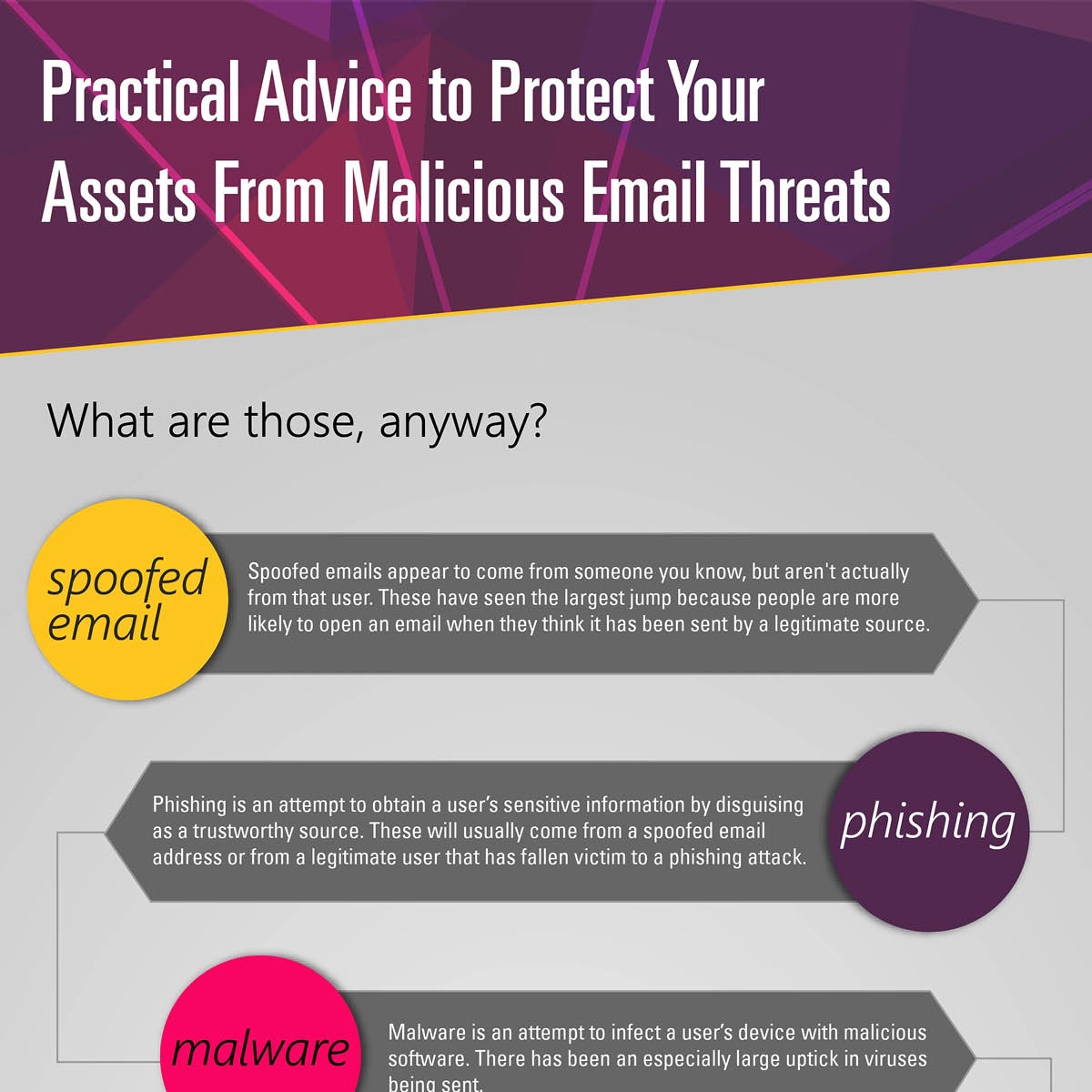
Spoofed email, phishing, ransomware and malware have exponentially increased in the last few years thanks to more sophisticated technology - and our defenses against these attacks have become more sophisticated as well. However, with new attacks launched every day, no product is perfect and in the end it's up to the user to decide whether or not to act on what the email is asking for.
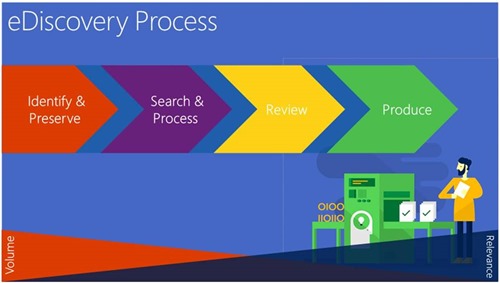
Senior living is one of the most regulated industries in the country. Senior living litigation is on the rise and multimillion dollar verdicts are not uncommon. New state and federal statutory claims, burdensome eDiscovery demands, and arguments against arbitration agreements have made resolving disputes difficult without invasive legal proceedings.
Health care reform initiatives make measuring, monitoring and reporting outcomes an important factor in new and continued business collaboration for Senior Living and Post-Acute Care providers. As your company grows, making rapid, informed business decisions can be challenging due to the lack of consolidated information, and monitoring Key Performance Indicators (KPI) like census, labor, and cash collection can be time consuming.
In healthcare, transparency refers to the availability of information about the quality and cost of healthcare, allowing consumers to choose a healthcare provider based on value. Increasingly, consumers are taking an active role in directing their own healthcare. Increased transparency is a theme of healthcare reform, and changes are on the horizon for senior living providers.
Universal Applications for all Health Care Providers


